Artist Statement : Ayana Hanbich Lee
Ayana Hanbich Lee is an abstract painter whose practice investigates the non-linear structure of time through the material intelligence of paper, wood, and paint. Her work emerges from the intersections of Eastern and Western sensibilities, shaped by years of living between Republic of Korea and the United States. This movement across cultures revealed to her how perception, identity, and material expression shift depending on place — a realization that led her to treat paper not merely as a supportive surface but as a metaphor for her own condition: flexible yet resilient, fragile yet deeply receptive to emotion.
In her earlier works, Lee embedded strands of her own hair into the surface of her paintings, marking presence and grounding the work physically in her body. Over time, this gesture transformed as the paper itself began to bear her essence. The pliability of the medium — its ability to wrinkle, absorb, peel, and remember — allowed her to translate immediacy, fleeting states of mind, and shifts of feeling into form. Seeking a more intimate dialogue with material, she studied papermaking to gain finer control over how paper could transmit sensation, memory, and the gradual build-up of time.
Time Is Not Linear
At the core of Lee’s practice lies the understanding that time does not unfold as a straight line. Instead, it moves in layers, folds, ruptures, and returns. Her paintings function as condensed durations — visual fields where multiple temporal moments co-exist.
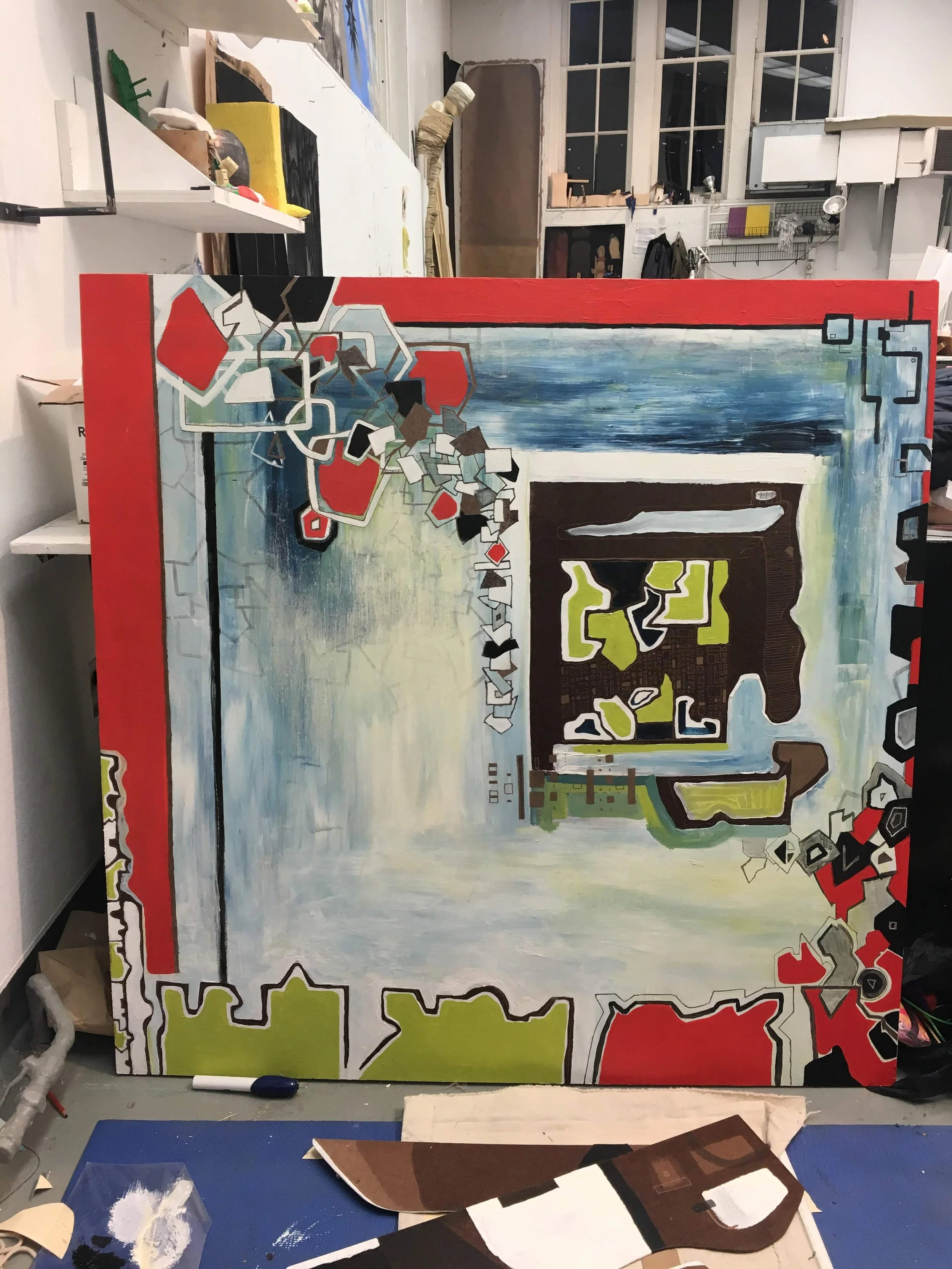
The progression of a work mirrors the structure of a film reel compressed into a single frame: translucent and opaque layers collide; traces emerge beneath newly formed surfaces; rhythms of erasure and reappearance create a tension between flow and stillness. In this way, each painting holds sequences — scenes, chapters, sentences — that are not read chronologically but simultaneously.
Her ongoing inquiry asks:
How can several temporal moments be seated within one space?
How can sequential order communicate itself visually?
How can the collision of time remain respectful to each moment’s presence?
Efface: A Method of Revealing Through Removal
Lee’s signature approach, which she terms Efface, is a central pillar of her work. It is a technique and a philosophy: to reveal by removing, and to reawaken what has been concealed.
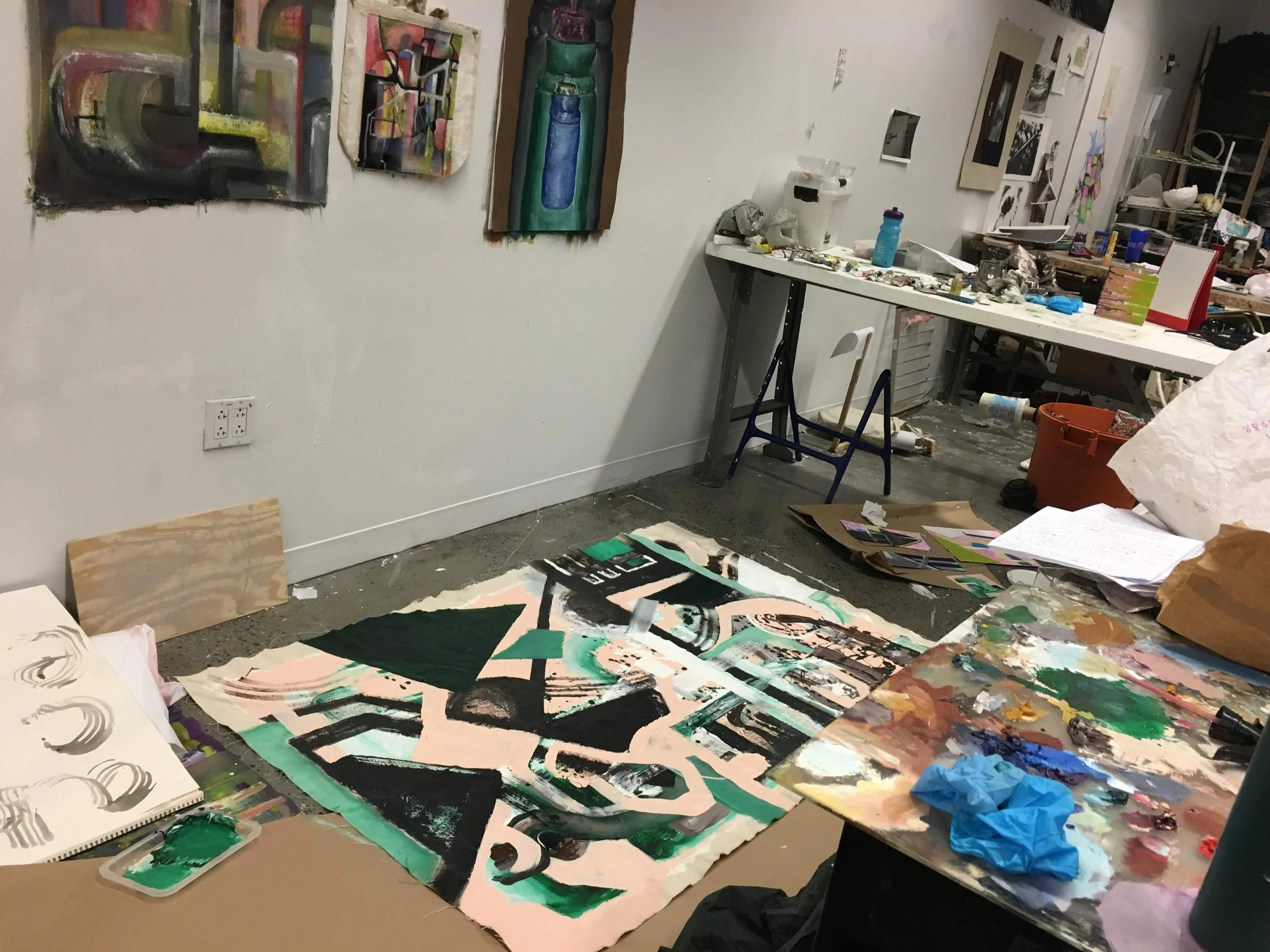
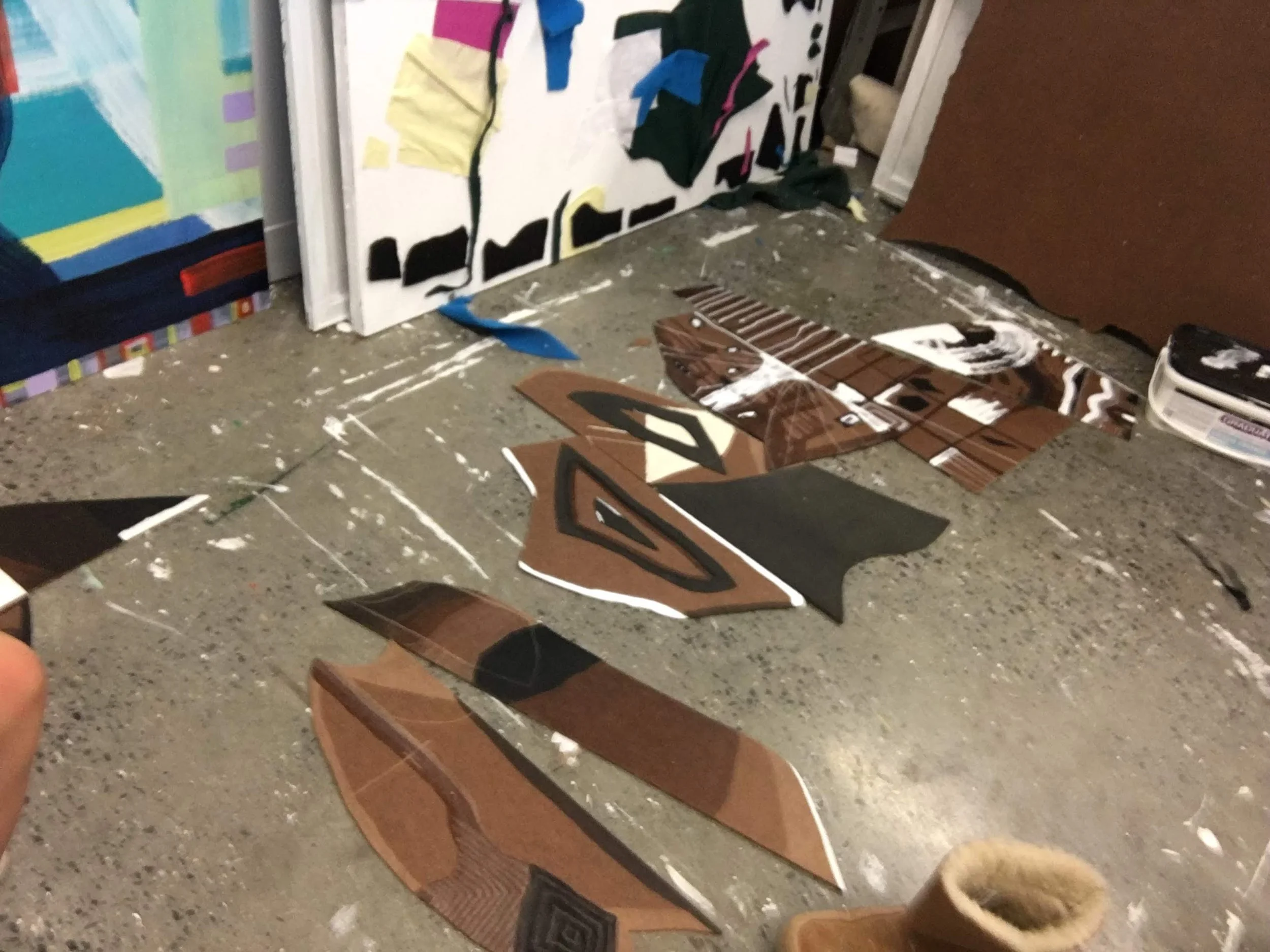
Through cycles of layering, peeling, scraping, and partial erasure, past events — the first mark, the earliest layer — can reappear unexpectedly at the end of the process. Efface enables fragments of the distant past and the immediate present to coexist within one visual ground, forming active associations with the viewer’s moment of seeing.
This method, noted by critics and fellow artists for its uniquely spatial quality, introduces a quiet three-dimensionality into painting. The entanglement of “removal” and “accumulation” creates a dynamic structure that exceeds the flatness of the surface. The technique was featured in Korean television dramas in 2023, generating broad public engagement, and has been presented through curated exhibitions in New York, London, Seoul, and Shanghai.
Paper, Surface, and the Memory of Experience
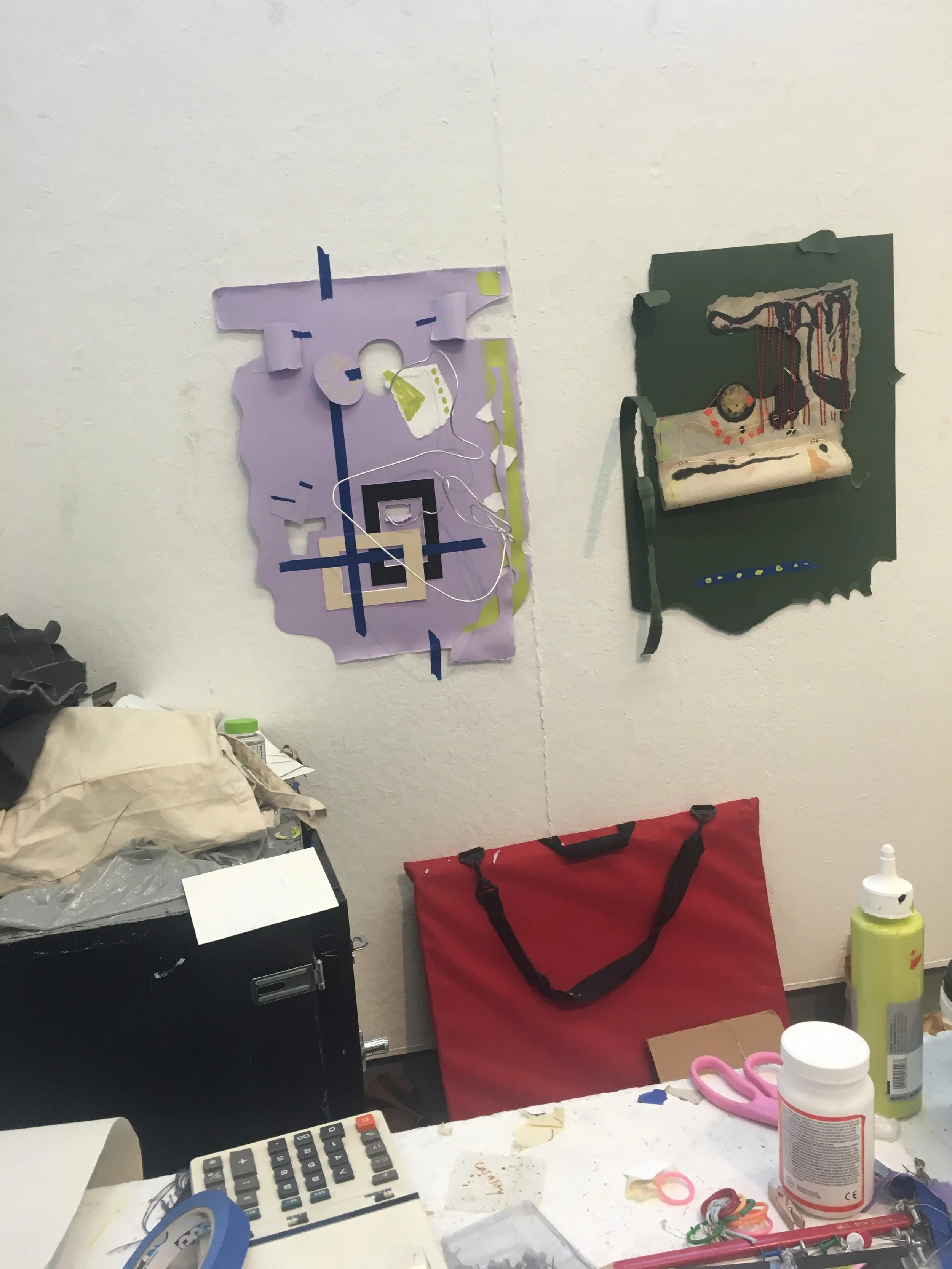
For Lee, paper functions as both an archive and a prophecy. The wrinkles, tears, compressions, and expansions that occur during her process become records of temporal pressure — indexes of breath, hesitation, movement, and emotional resonance. These marks do not represent time; they embody it.
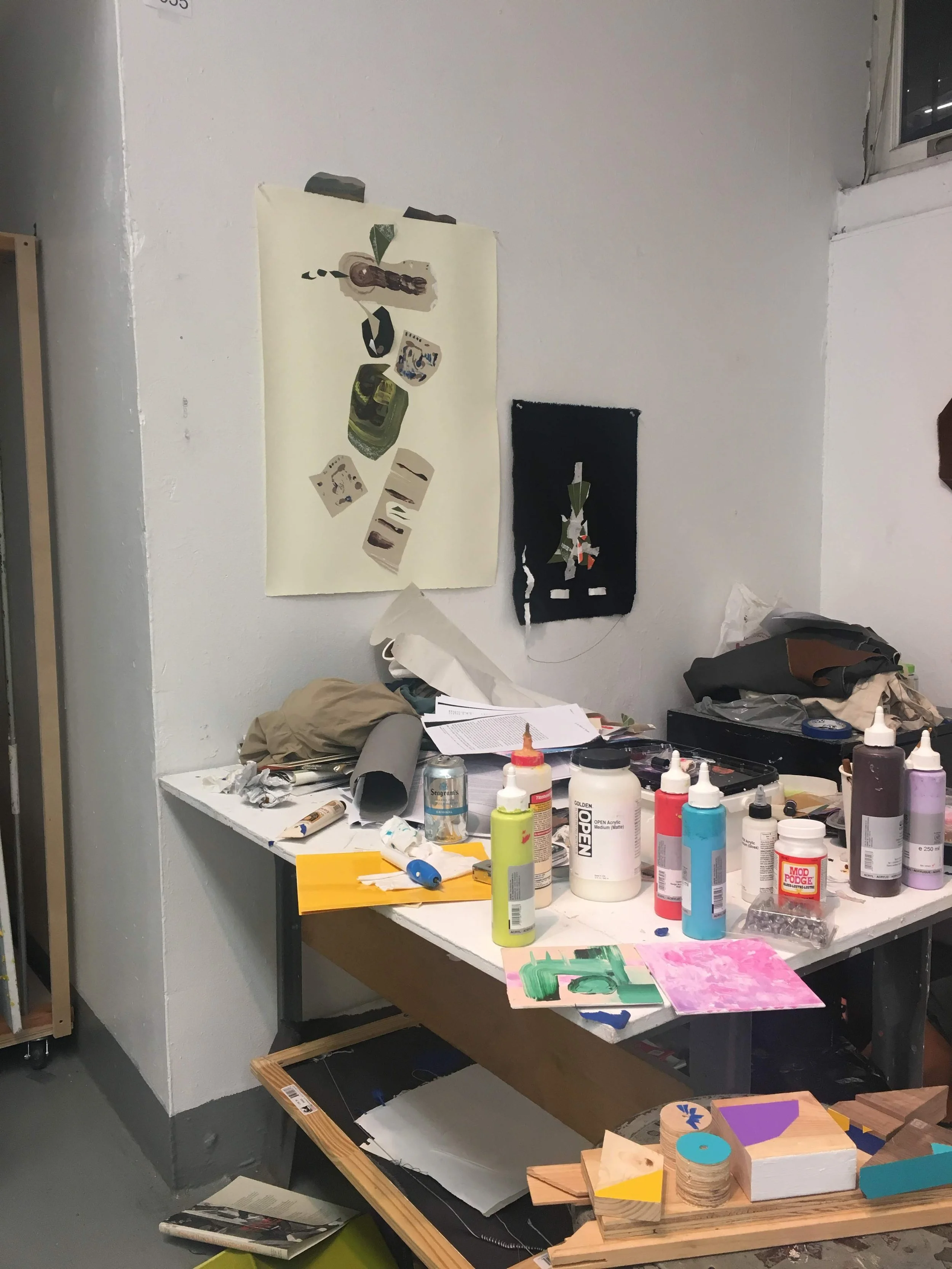
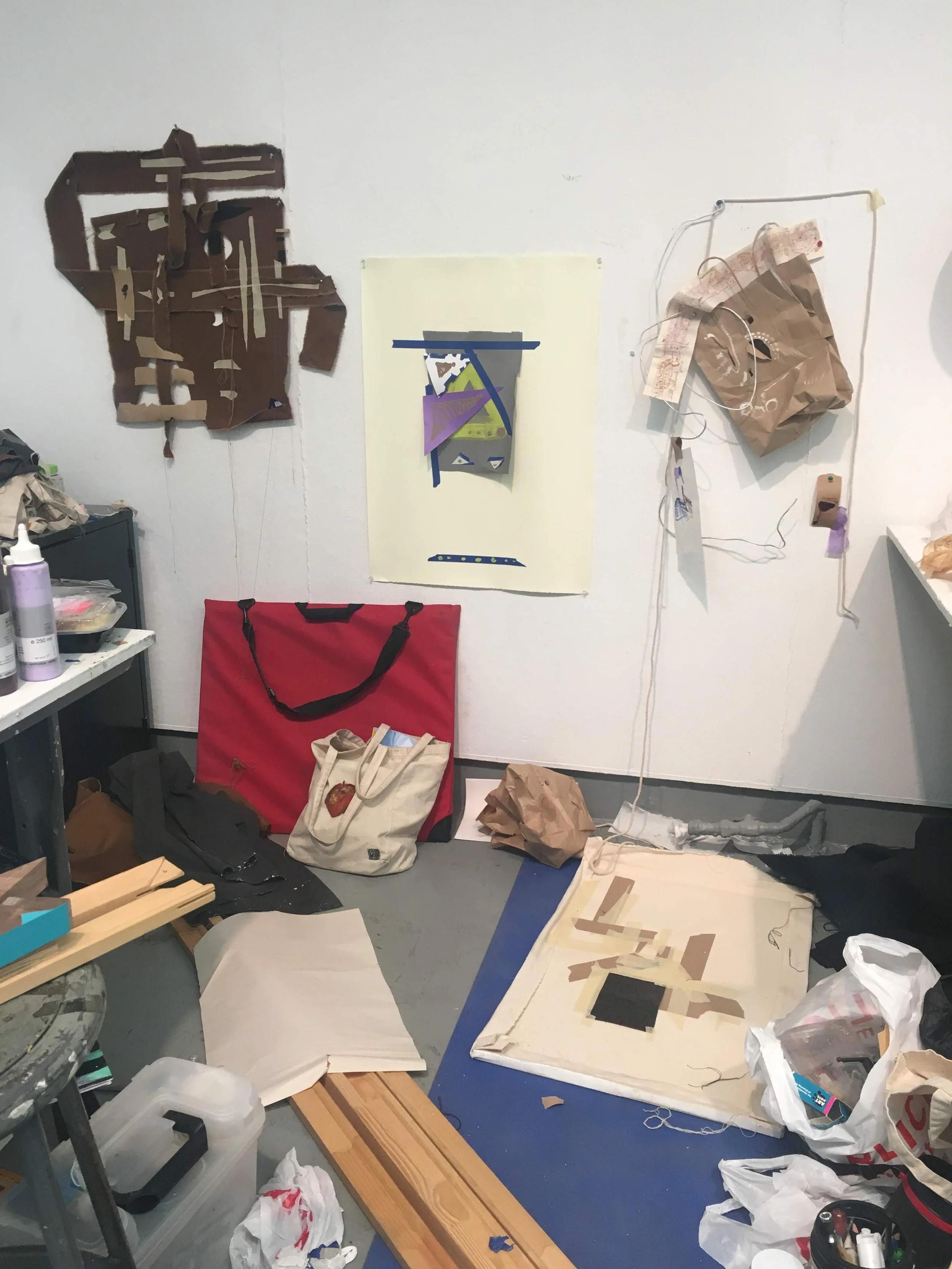
Her works often extend beyond traditional painting into installation, collage, and video. Light, shadow, filmic rhythm, and the structural qualities of book pages inform her approach to sequentiality. Each layer can be read as a page that guides the viewer through temporal experience rather than offering a single-static image.
Color as Temporal Emotion
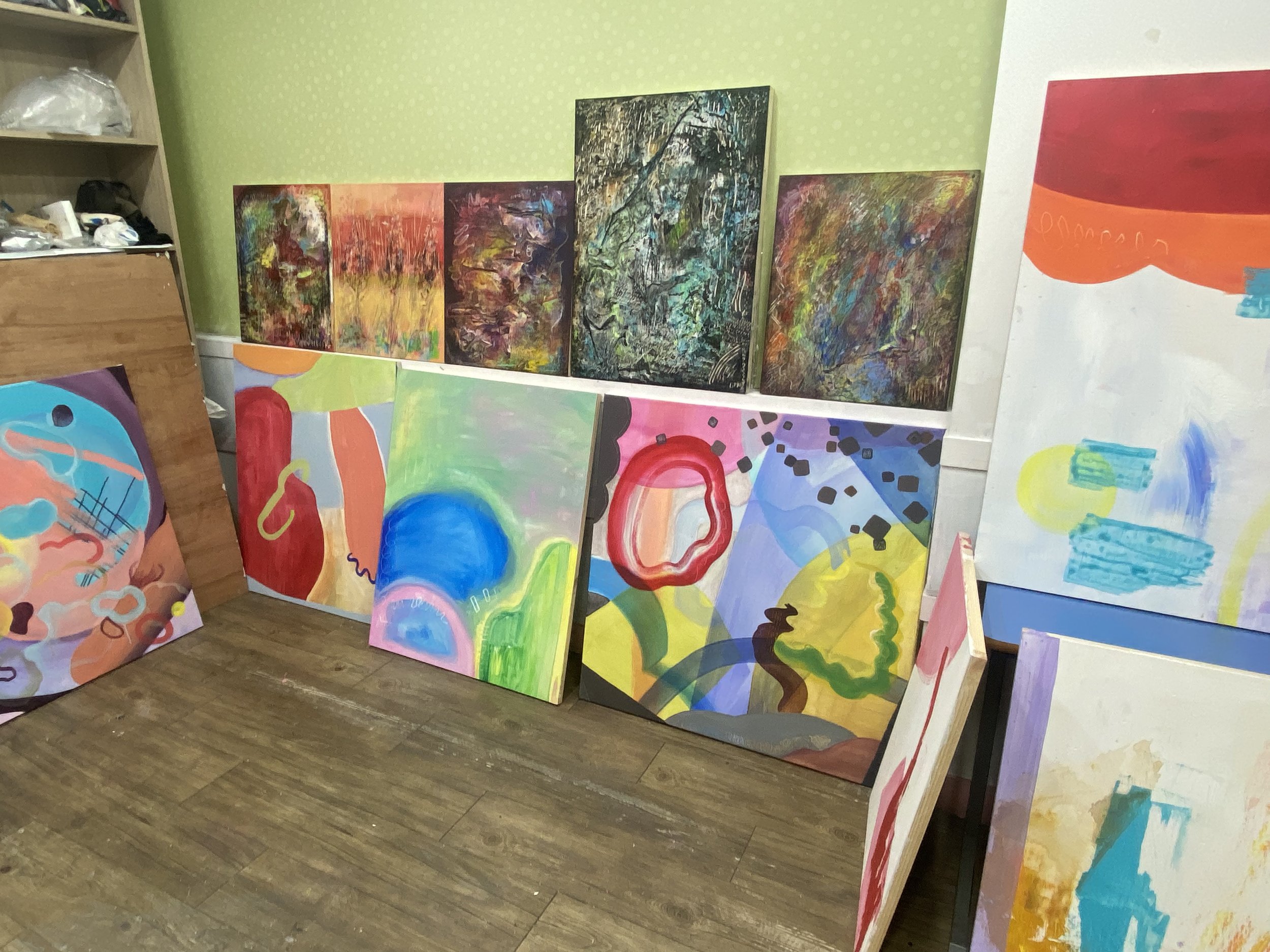
Lee’s colors act as emotional durations — the tempo of a moment made visible.
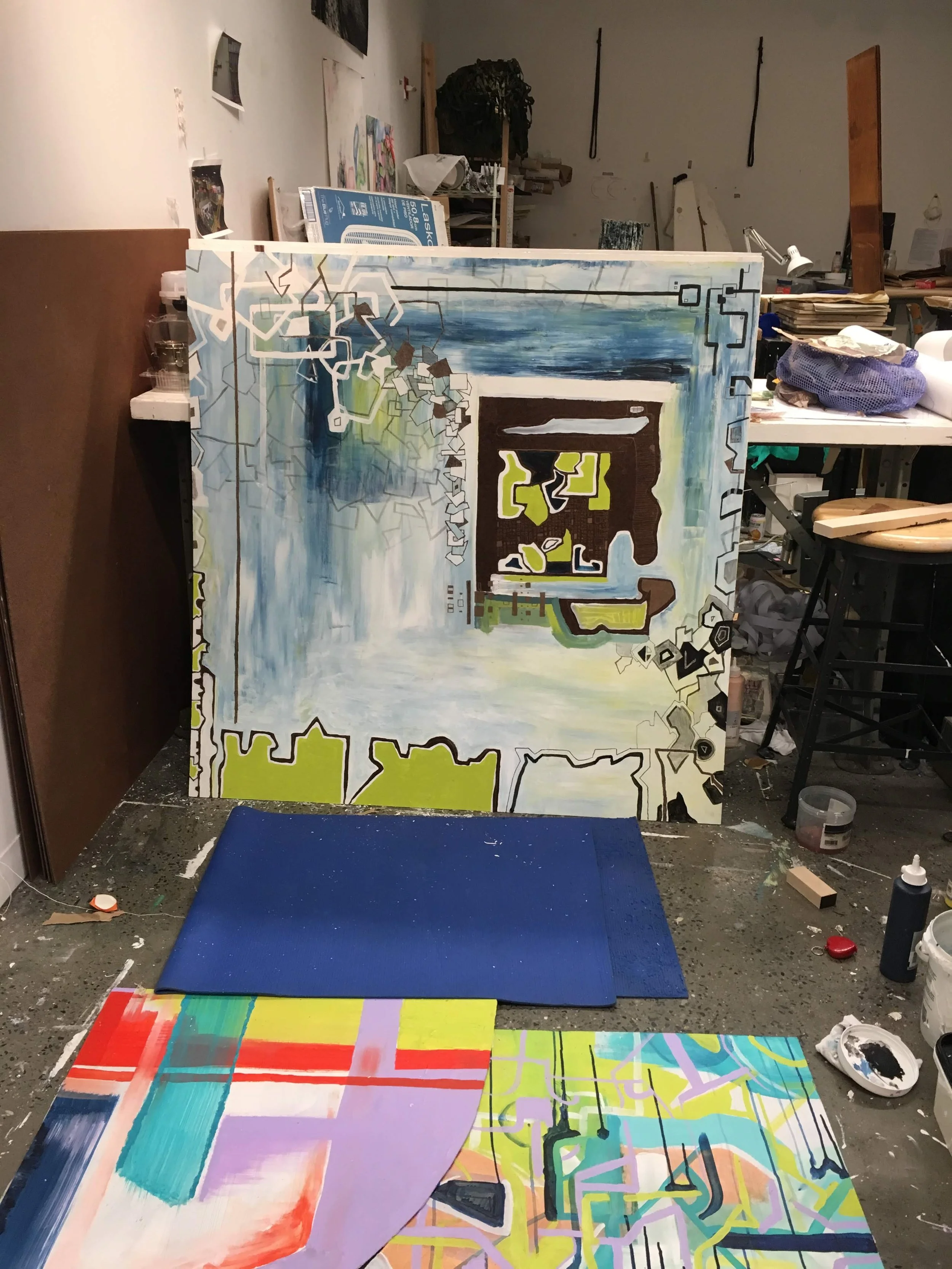
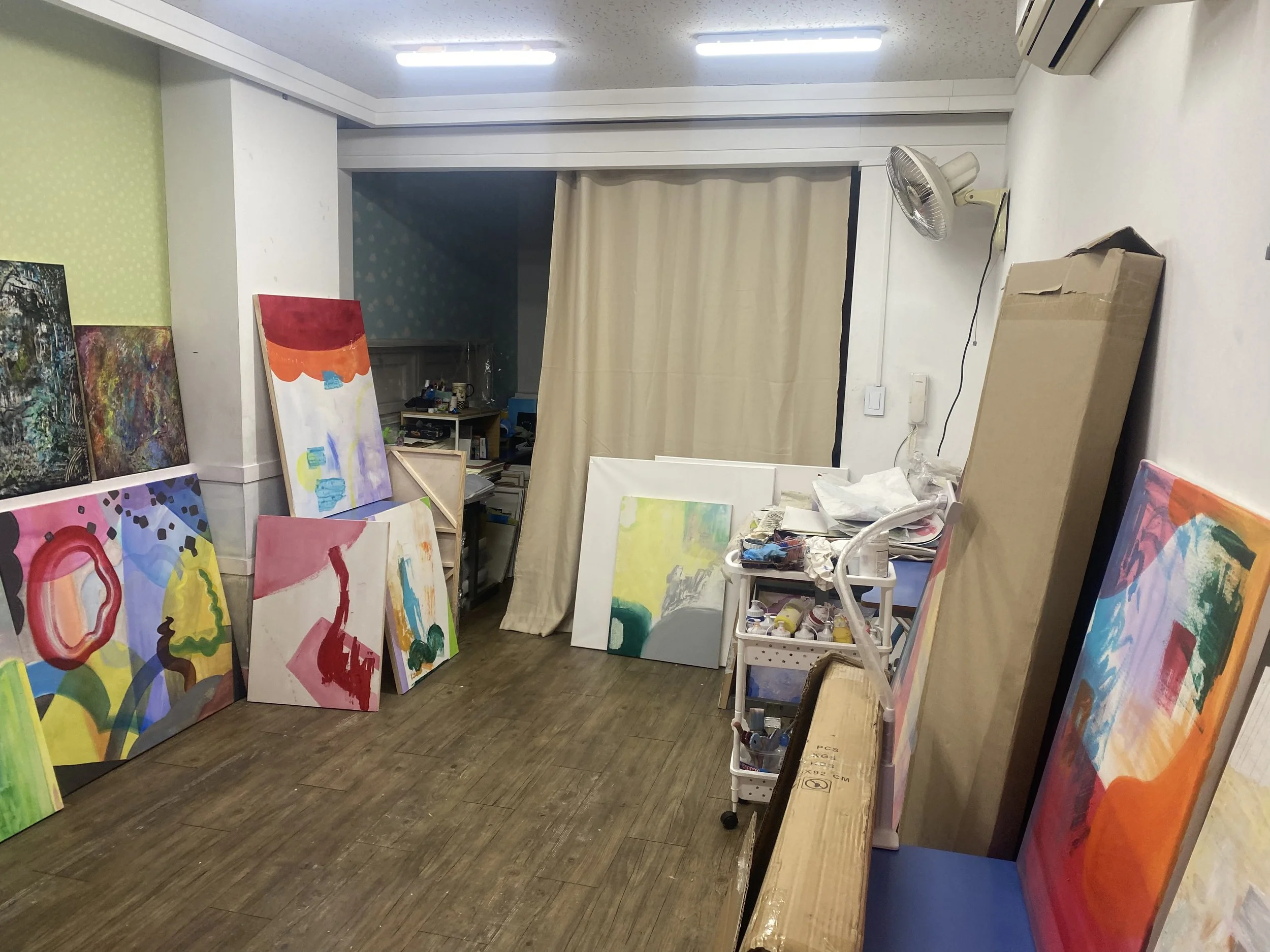
In works such as 〈Tangerine Pizzicato〉, 〈Bloo Till Night〉, and 〈Yes, Yellow〉, color is stacked in rhythmic intervals, echoing the shifting speed of time. Transparency suggests lingering; opacity suggests interruption; repetition creates resonance. In this way, color becomes a chronicle of perception itself.
Across series such as 〈Fallen, 〈On Nem, and 〈A.M./P.M.〉, temporal directions intersect — the interior and exterior of a hanok, the vanishing moment of nature, the sequential flow of consciousness — all framed as overlapping temporal strata.
A Cinematic Painting, A Materialized Time
Lee’s abstractions invite viewers not simply to look, but to navigate:
to follow a mark to its origin, to trace the order of events, to disassemble and reassemble the layers. Her work suggests that painting can function like film, like creative writing, like choreography — not confined to the static singularity of a fixed image.
Each painting becomes a time-based work that is experienced spatially and mentally. By observing from different angles, the viewer encounters shifting scenes and newly revealed histories. The past layer can enter into dialogue with the present moment of seeing, activating what Lee calls “the collision of fragile moments.”
Toward the Future of Her Practice
Lee continues to develop the Efface method within the two-dimensional boundary of painting while expanding its conceptual vocabulary into workshop formats, residencies, and collaborative research on materiality. Her work has been shown through international exhibitions, museum presentations (including the CICA Museum), and media features such as Netflix K-dramas. She will participate in an upcoming group exhibition in New York.
As her practice evolves, Lee is committed to deepening her exploration of chronology, sequential perception, and the ways in which time itself can be translated into material form. Her aim is to offer viewers not a singular message, but an open temporal field — an indefinable space where traces, layers, and rhythms continue to breathe.
Korean- 2024 Artist Statement
추상화가인 Ayana Hanbich Lee는 뉴욕에 머무는 동안 동아시아와 서양의 종이에 대한 다양한 관점을 목격하는 것에 흥미를 느꼈습니다. 마찬가지로 그녀는 해외 생활에서 문화적 충돌을 경험하고 있었고, 종이라는 재료에 정서적으로 얽혀 있다는 것을 종이를 자신으로 반영했습니다.
이씨의 초기 작품에서는 그리는 과정에 머리카락 뿌리를 묻어 현재의 존재감을 유지했다. 이후 신문은 현재성을 전달하려는 노력으로 그 자리를 대신하게 되었다. 종이의 특징, 형식적 변형의 유연성 덕분에 그녀의 마음과 감정 상태에 대한 즉각적인 존재감과 즉각적인 투사를 쉽게 전달할 수 있었습니다. 물질을 물리적으로 얽히고 싶었지만, 종이를 만드는 과정에서 찢어지는 듯한 물리적인 느낌이 강해졌고 주름도 심해졌다.
이씨의 종이 시리즈 그림 중 하나는 '올다'이다. 그녀의 모국어 한국어에서 '울다'라는 단어에는 두 가지 정의가 있습니다. 하나는 울고 있고 다른 하나는 종이에 주름이 져있습니다. 그녀는 종이의 주름을 사용하여 자신의 현재 상태(감정의 복잡성에 초점을 맞췄음)를 전달했으며, 물질에 대한 자신의 투영은 시리즈를 더욱 심층적인 감정의 폭발로 이끌었습니다. 이 시리즈 이후 요소들의 겹침은 그녀의 작품에서 중요한 언어가 되었고, '순간'의 압축은 여전히 그녀의 그림에서 핵심 가치이다.
한국으로 돌아온 이후 이씨의 색다른 예술 형태인 문예창작이 표현의 한 방식으로 활용됐다. 예술의 다양한 형태에 대한 연구는 어떤 면에서 병치되어 타자의 특징을 심어 한계를 넘어서려고 탐구한다. 창의적인 글쓰기와 대본 쓰기가 그녀에게 영향을 주어 더 이상 이전과 같은 그림을 볼 수 없게 되었습니다.
회화가 실내의 목적 이상의 역할을 할 수 있다는 것을 관객과 자신에게 확신시키기 위함이다. 예술은 현재의 세계를 다루고, 담고, 반영해야 합니다. 지나치게 복잡해진 차원의 시대(VR, AR 메타버스 등)에서 그녀는 회화의 일반적인 이념과 이 '세계의 순간'에 회화가 무엇을 할 수 있는지를 다시 말하고 싶었다. 그녀의 임무는 2차원 회화 안에 다차원적인 것을 모으는 것이었다. 단순히 시각적인 트릭이나 두께에 의해서가 아니라, 시대의 물리학을 담고 있기 때문입니다. 덧없음의 캡슐화, 즉 '시간 속의 존재의 취약성'에 초점을 맞춘 이씨의 초점은 옮겨져 '시간의 취약성'이라는 새로운 장을 구축했다.
문예 창작 및 비디오그래피와 같은 다른 형태의 예술은 이야기를 만들고 메시지를 전달하기 위해 전체적인 구조를 이루는 결과적인 풍경과 장면을 취합니다. 이러한 형식에는 페이지를 추가하고 더 많은 영화를 촬영(또는 지속 시간을 연장)하여 시퀀스가 포함됩니다. 그러나 회화에 대한 일반적인 이해는 사진이 오래 전에 그 기능적 위치를 대체했던 하나의 이미지, 하나의 정지된 시간을 제시하는 것으로 알려져 있다. 회화의 특징을 깨기 위해 이승환은 서로 다른 시간의 충돌, 결과적인 시퀀스를 하나의 공간에 담아내려고 했다. 그녀는 자신의 붓질과 형태를 움직이는 이미지(그 자체로 '영화적')로 읽힐 뿐만 아니라 장(읽을 책의 순서)으로도 읽히도록 의도했습니다. 그녀는 자신의 그림을 단지 캔버스 위에 그린 비디오그래피이자 창의적인 글쓰기로 본다.
그녀의 그림에서 추상적인 형태의 배열은 시각적 흐름에 힘을 실어줍니다. 붓터치, 색감, 에칭 자국이 내러티브를 담고 있습니다. 그러다 어느 순간 직조가 일어나게 되는데, 그것은 질서의 맥락에서 대화를 시작하는 것이고, 이는 창조의 질서나 직조의 의도적인 리드로 논의될 수 있다. 시각적으로 분해하고 조립하여 창작 작품으로 만드는 것은 관객의 해방에 이른다. 이러한 상호 작용은 환영받으며 연결을 풀 수 있도록 열려 있습니다. 수년 동안 이씨는 '전시회에 남는다'는 자신의 이념을 자신의 그림에서 어떻게 실행해야 할지 고민했다.
그림은 표면을 덮는 일이기 때문에 그림이 어떻게 진행되었는지를 드러내는 것은 거꾸로 된 개념이었습니다. Lee는 그렇게 하기 위해 여러 가지 방법을 모색했습니다. 하나는 접착된 종이를 없애는 작업이었고, 다른 하나는 완전히 덮이지 않도록 최대한 얇게 페인팅하는 작업이었습니다. 다시 방문하지 않고(=나머지 및 칠하기) 칠해진 부분을 깨끗하게 고정하는 데 도움이 됩니다. 그러나 그것은 결국 그녀가 사용할 수 있는 공간을 차감하는 것이다. 그녀의 탐구는 새로운 방법론으로 재구성되었습니다. 그녀는 마침내 'EFFACE'라는 아이디어로 설정했습니다. 이전 이벤트의 각성.
그림의 표면에서 직접적으로 사라지는 것은 숨겨진 부분을 깨우고 이야기가 어떻게 진행되는지를 포함할 수 있습니다. 이야기의 첫 번째 장은 그림의 마지막 부분에 나타날 수 있습니다. 이러한 방법론은 시퀀스(채색된 순서)를 시각화하는 데 도움이 되며, 창작자가 의도한 순서대로 감상할 수 있는 방법을 완벽하게 제공할 수 있다.
(translatated by Google translation)
——————————————————————————
2023 Artist Statement (한글 ‘작가 설명문’은 아래 있습니다.)
1) A phenomenon happens as a result of time.
2) A form is created in accumulated piles of time.
3) A piece of art is a record made in layers by following chronological order.
4) The movement in an artwork is the accumulation of time.
5) The layers represent the sequence of records.
6) By the Natural Law, the layers pile upwards, outwards, and sideways
Under these perspectives, I practice ‘layers of times’ in a painterly manner and study further to expand beyond #6.
Arranging the objects and elements in one place capture different period (including physical distance). Sometimes, It is fabricated from the actual sequence. It is to rearrange a new scene. The time gap (entanglement; parallax) between objects is captured in one shot, one spot, and one scene.
Transparency, textural energy, and etching techniques are added to give the audience room to engage and have their theory behind them. I encapsulate the existences of different time zones and put them in each artwork. Sometimes in a still-life painting, and use a pile of objects is the subject of the picture. In the context of the object’s physicality in time, I borrow the Realism style to enhance the ‘accumulation of time’ in one place.
I approach the ‘accumulation of time’ as the subject of my painting and execute artworks through still life and abstract paintings. The layer is the visual evidence of the time (like videography of moments). It also encapsulates the process of painting, which was a presence. I use layers that are made at different times. A layer is a snapshot of a time. Layers assemble and get tension between the times, and translucency is used to conceal or to reveal. I use my own drawing/painting as the source of the layer of the painting and let it decide the tone of the voice to lead the entire painting.
In between each layer, take a different period in the break, where I reveal the hint of the period of time-blocks by dryness and length of drips. It also suggests the order of the event that had happened. I desire people to play a video of the making process by following the revealed (sometimes concealed) hints in layers. The movement of the paint creates different noise levels to make textural diversity.
Carved or Etched to reveal the behind layer, dried at different speeds that weave, un-hinting the order, and blurred to disguise. It conceals and reveals a specific layer to encapsulate in various methods of suggesting a painting process. The ambiguity of snapshots of time creates more room for audiences in a dialogue of layers, which in a painterly manner, indicates the encapsulation of the process of making artwork. Gestural and textural elements in the painting make it more dimensional. Textural but still in 2D to contain the work process in layers, like the painting, is a recorded video, simultaneously suggesting how it should be read.
1) 하나의 현상은 시간이 만든 결과이다.
2) 하나의 형태는 시간의 더미가 만든 축적물이다.
3) 하나의 미술은 시간의 순서가 겹으로 기록된 것이다.
4) 작품 안에 있는 움직임은 시간을 쌓은 것이다.
5) 작품의 겹은 기록의 순차를 나타내는 방법이다.
6) 작품에는 시간대가 옆으로, 위로, 밖으로 쌓이는 자연법의 순서,
그 이상으로 넓히려는 회화 작가적인 접근을 시도한다.
미술에 담긴 사물/엘레멘트의 (배치)순서는 다른 시간대(물리적 거리감)의 존재를 하나의 선상에 담아낸 것이고
실제-순차와는 다르게 해석되고, 재배치를 하여 형태의, 현상의 관계성을 새롭게 정립 시키기도 한다.
그렇게 물건 간의 시간의 간격(뒤엉킴;시차)을 한 곳에 담아낸다.
투명성과 에칭 기법 등의 활동성/행동성이 더해지며, 겹의 순차를 관객들이 해석할 수 있게 공간을 내어준다.
다른 시간대의 존재를 나열하여 한 작품에 담기도 하고, ‘시간의 축적물’을 보고 사실주의적 화풍으로 그려내기도 한다.
회화 작가로서, ‘시간의 축적’을 사물 주제로, 표현 방법으로 접근한다.
겹은 곧 시간의 기록이고, 과정의 기록이다.